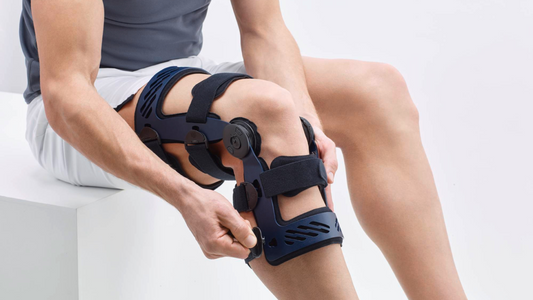

In rehabilitation, clinicians often focus on restoring strength, range, and function. However, neuromuscular control is a key and frequently overlooked part of many programs. Compression garments and proprioceptive supports don’t just stabilise joints; they communicate with the nervous system to help muscles fire more efficiently and confidently during recovery. This subtle yet powerful feedback loop can make the difference between a cautious return and a confident one and between proper healing and re-injury.
The Science of Proprioception
Proprioception guides every movement. Powered by proprioceptors, this crucial sense informs your patients on how they move and position themselves. It encompasses everyday tasks like walking down the stairs, where the mind creates a pattern for the body to follow, as well as more complex work like determining the speed of a tennis ball and its distance.

However, pain can interfere with this function. Whether your patient is experiencing chronic pain or pain from an injury, it will negatively affect their proprioception by altering sensorimotor control through both central and peripheral mechanisms. An example of this is mild to moderate OA, where even slight early-stage pain in the knee can alter gait mechanics.
The effects are manifold:
- Pain can interfere with sensory input, leading to a distorted sense of body position. It can also cause dysregulation in the central nervous system, especially if it is chronic or long-lasting.
- Pain can trigger reflex muscle inhibition, causing weakness and poorer proprioceptive feedback. Additionally, inflammation and swelling associated with pain can affect proprioceptors in muscles and joints.
- The results involve a loss of coordination, balance, stability, fine motor control, and limitations in sport and daily life.
Additionally, decreased proprioception can lead to poor joint control, increasing the risk of injury and further pain. Conversely, strengthening muscles and improving proprioception through training and compression can help reduce pain.
The Role of Compression in Proprioceptive Therapy
Graduated compression plays a key role here. Compression garments stimulate mechanoreceptors, sensory nerves that feed positional information back to the central nervous system by applying consistent external pressure to the skin and soft tissue. This stimulation enhances joint awareness, reduces latency in muscle firing, and encourages the correct movement sequence.
Compression can be beneficial in all stages of recovery.
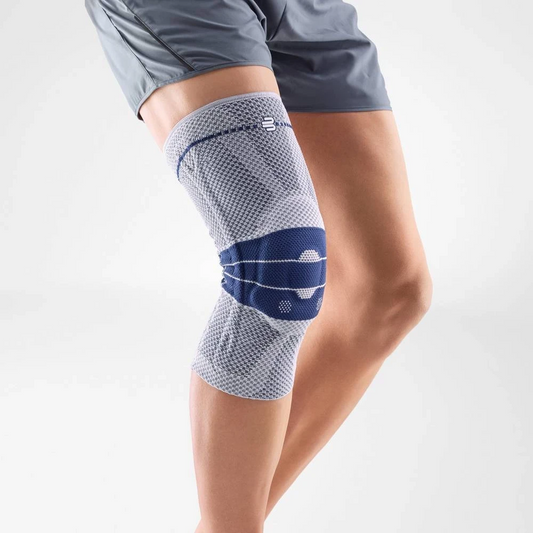
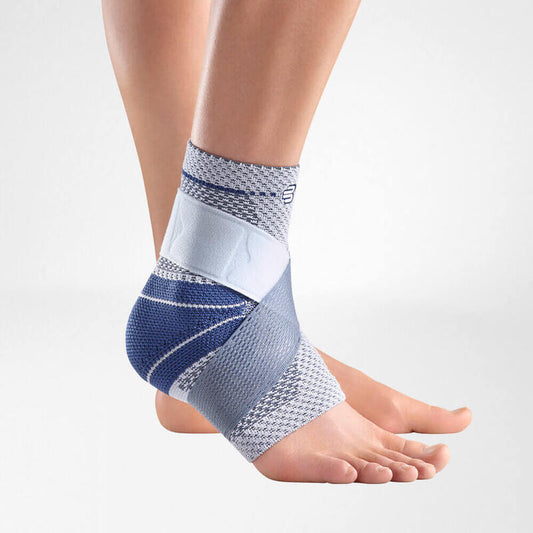
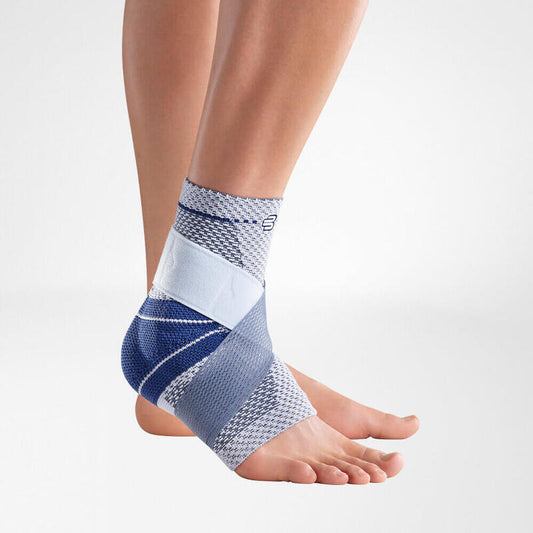
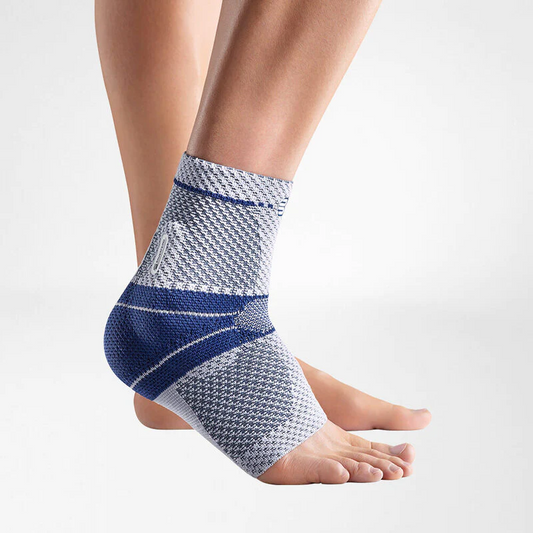
Pain and swelling inhibit key stabilisers in the early stages of an injury (think VMO after knee injury, peroneal after ankle sprain). Targeted medical-grade compression, such as the GenuTrain or MalleoTrain Plus, improves sensory input and helps re-engage inhibited muscles without overloading them. Graduated compression also boosts venous return, improves oxygen and nutrient delivery to damaged tissues, and reduces swelling that could further impede muscle control.

As strength work begins, maintaining correct form under load is critical. Compression supports provide feedback through motion, cueing proper muscle sequencing and balance correction, which is especially valuable in single-leg and dynamic drills.
Compression can assist in returning to sport or general fitness in the final rehab phase. By promoting circulation, stability, and sensorimotor control, patients can move with greater confidence and reduce fatigue.
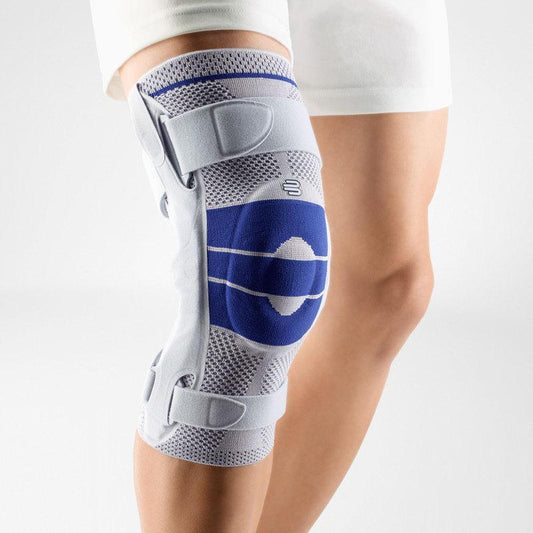
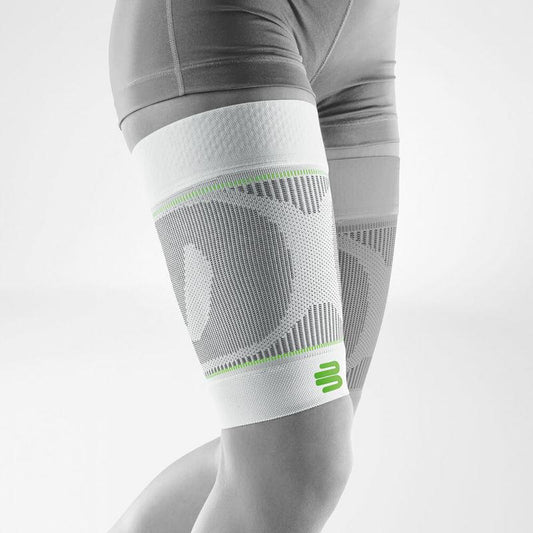
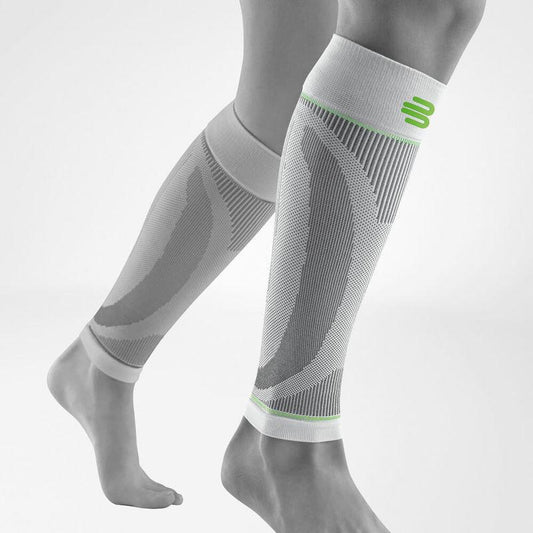
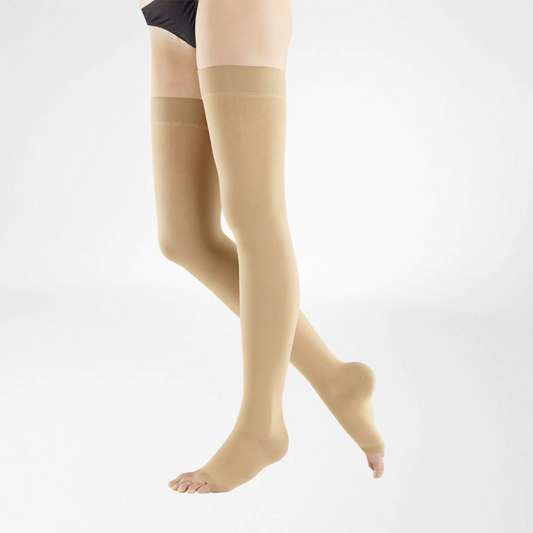
We offer various compressive supports for any condition or injury, from sports compression sleeves to semi-rigid braces like the GenuTrain OA. Hence, we can support your patient through every stage of their proprioceptive rehabilitation journey.
Compression in the Clinic: Defining and Improving Rehabilitative Therapies
What makes proprioceptive supports unique is their ability to teach the body correct movement patterns. When used strategically, they serve as external “reminders” for optimal posture, alignment, and force distribution, accelerating neuromuscular retraining.
This effect compounds over time. As the nervous system becomes more efficient, less external support is needed, which aligns with the clinician’s goal of long-term independence.
For optimal results, you should always pair compression with active therapy. Your patient should use their support during physiotherapy exercises geared toward improving balance, control, and coordination, such as:
- Single-leg stand
- BOSU ball squats
- Multi-tasking work is like walking while balancing something on one's head or a stick.

You should also recommend compression adjustments based on the stage of recovery and the type of condition or injury. For example, the GenuTrain S Pro, with its additional system of straps and stays, is well-suited to the early stages of a meniscus tear. Meanwhile, a Sports Knee Sleeve may be sufficient in later stages of recovery, as its pure compression structure allows maximum freedom of movement while contributing to internal protection and stability (through proper muscle activation) rather than partially relying on external (straps and stays).
Last but not least, patient education and compliance should be ensured. Much of therapy occurs outside the clinic, so getting a brace that’s properly fitted to a patient and their recovery needs is essential. An uncomfortable or clunky support is far less likely to be worn, so we at Bauerfeind have created extensive sizing guides and focus on anatomic and light design to ensure maximum comfort.
Additionally, it’s essential to encourage daily movement and instil good proprioceptive habits that can be bolstered by the compression support instead of being replaced.
In Conclusion
Proprioceptive training is crucial to injury recovery and pain management. Recovering a sense of body position and muscle activation can help a patient relieve pain, build confidence, and reduce re-injury risk. Compression can be a great asset during this process and beyond, providing constant sensory input toward better coordination and control.

Elevate your practice with compression. Explore our supports online or book a demo here: Virtual Product Demo